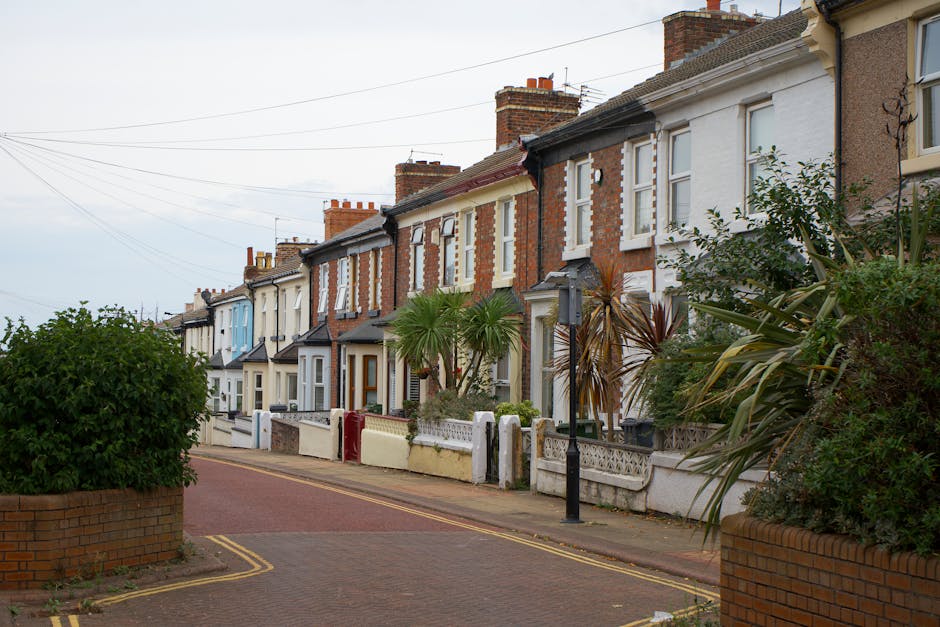
SM4 St Helier Estate gardeners pricing for terrace homes: a practical guide for homeowners
If you live in a terrace home in SM4 and you are trying to make sense of SM4 St Helier Estate gardeners pricing for terrace homes, you are not alone. It can feel oddly vague at first: one gardener quotes by the hour, another by the job, and a third wants to visit before saying anything useful. That's normal. Terrace gardens are often compact, shared-access, and a bit fiddly around the edges, so the pricing has to reflect the actual work, not just the postcode.
This guide breaks down what affects pricing, how quotes are usually structured, what makes terrace-home gardens different, and how to compare garden services without getting caught out. You'll also find a step-by-step way to request better quotes, a comparison table, a practical checklist, and answers to the questions people really ask before booking. Truth be told, the best value is not always the cheapest line on the page.
For homeowners in St Helier Estate, the real aim is simple: get a tidy, safe, and maintainable garden without paying for unnecessary extras. Let's unpack it properly.
Why SM4 St Helier Estate gardeners pricing for terrace homes Matters
Pricing matters because terrace homes rarely behave like "standard" gardens. You may have a narrow rear plot, awkward access through the house, close neighbours, limited storage for tools, or boundary lines that need a careful touch. All of that changes how long a job takes and what equipment is needed. A quick lawn cut is one thing; clearing a neglected terrace garden after a wet spring is another entirely.
In practical terms, good pricing helps you compare apples with apples. If one gardener includes green waste removal, hedge shaping, and patio sweeping, while another quotes only for mowing, the lowest number can be misleading. That's where many people get caught out. They think they are comparing two similar quotes, but they're not.
For terrace homes in the SM4/St Helier area, the work is often repeated in smaller but more frequent visits. That means the pricing should reflect regular maintenance efficiency, not just one-off labour. A well-kept terrace garden can usually be maintained more affordably than a heavily overgrown one, because the work stays predictable. It sounds obvious, but it makes a real difference to monthly budgets.
There is also a lifestyle point here. A tidy front or rear garden makes the whole property feel calmer. You notice it when you step outside on a damp Monday morning and the path is clear, the hedge is neat, and there is no pile of leaves waiting to be dealt with. Not glamorous, maybe, but extremely satisfying.
How SM4 St Helier Estate gardeners pricing for terrace homes Works
Most garden quotes for terrace homes fall into a few broad pricing styles: hourly rates, fixed-price visits, or bespoke quotes for larger projects. The right model depends on how much work is needed, how regular the visits are, and whether the job is routine upkeep or something more involved, like clearing overgrowth or reshaping borders.
Here's the simplest way to think about it. Hourly pricing suits unpredictable work, such as first-time clearance or stubborn weed removal. Fixed-price maintenance suits repeated tasks, such as lawn mowing, hedge trimming, and seasonal tidy-ups. Project quotes make more sense if the garden needs a bigger reset, or if a mix of services is bundled together.
With terrace homes, access is often part of the calculation. Can tools be brought through a side gate, or do they need to be carried through the property? Is there room for a compact mower, or will everything need to be done by hand? Small practical details can save or add time. A gardener who asks the right questions usually gives the more realistic price, even if it is not the lowest at first glance.
It also helps to understand what is likely to be included in a quote. A reliable service will usually specify whether the price covers labour only, or labour plus waste removal, materials, and follow-up work. If you want to compare options properly, a useful starting point is the site's own pricing and quote guidance, which can help you frame the right questions before booking.
And yes, the garden may look small. But small gardens can still be awkward little beasts.
Key Benefits and Practical Advantages
A good pricing structure does more than save money. It also helps you keep the garden in a condition that is easier to manage week to week. For terrace homes, that matters because gardens can slip from tidy to chaotic surprisingly fast, especially after a spell of rain and mild weather. One missed month, and suddenly you are dealing with weeds, spindly growth, and a patio that looks tired.
Some of the biggest practical benefits include:
- Predictable budgeting for regular visits and seasonal work.
- Better upkeep, because smaller jobs are easier to maintain than rescue missions.
- Safer access around paths, steps, and side returns.
- Cleaner outdoor living for family use, pets, and entertaining.
- Less stress when you know what is being done and why.
There's also a resale and presentation angle. A neat terrace garden makes a home look cared for. Even if the space is modest, it can still feel inviting with the right maintenance. Think crisp edges, healthy planting, and a clear route to the bin or shed. It's not about perfection. It's about looking intentional.
If your garden is mostly maintenance-based rather than design-led, you may also want to explore regular garden maintenance options alongside one-off tidy-ups. That tends to give better long-term value than repeatedly paying for emergency clearances.
Who This Is For and When It Makes Sense
This pricing topic is most useful if you own or rent a terrace home and want clear expectations before hiring help. It is especially relevant if your outdoor space is too small to justify full-scale landscaping but still needs regular attention. In other words: you do not need a huge garden for professional help to make sense.
You may benefit from professional gardening pricing if:
- the garden is small but consistently messy;
- you do not have time for weekly upkeep;
- the hedge, lawn, or patio needs occasional specialist attention;
- you want a cleaner, more usable outside space for children or pets;
- you have mobility limits or simply want to avoid the heavy lifting;
- the garden has become overgrown and needs a proper reset.
Some terrace-home owners only book a gardener once or twice a year, usually in spring and autumn. Others prefer a monthly rhythm, which is often easier on the wallet and kinder to the garden. Neither approach is wrong. It depends on how fast the space grows and how much you want to do yourself.
If your terrace garden includes planted borders, climbers, or tricky shaded corners, you might also benefit from reading about evergreen shade climbers and ground cover planting ideas. These can reduce maintenance over time, which is one of those quiet wins people often overlook.
Step-by-Step Guidance
If you want a sensible quote, the best approach is methodical. Nothing fancy. Just give the gardener enough detail to estimate properly.
- Measure the space roughly. You do not need architectural precision. A simple idea of lawn size, bed depth, and patio area is enough.
- List the main tasks. For example: mowing, hedge trimming, weed control, leaf clearing, border tidy-up, pressure cleaning, or one-off clearance.
- Note access issues. Mention side passage width, rear gate access, parking limits, and whether tools need to go through the house.
- Say how often you want the work done. Weekly, fortnightly, monthly, or just once.
- Share photos. A few clear images often help more than a long explanation. You can see if a service is likely to need hand tools, special disposal, or extra time.
- Ask what is included. Labour, waste removal, hedge clippings, materials, and follow-up visits can all change the price.
- Compare the scope, not just the number. A quote that includes more work may actually be better value.
A useful habit is to ask one simple follow-up question: "What would change this price up or down?" That one question usually exposes the real variables. If the answer is vague, that's a small warning sign. If the answer is clear and calm, you are probably dealing with someone who knows their trade.
If you are not sure where to begin, a helpful next step is to review the wider range of gardening services available and then decide whether your terrace home needs maintenance, a one-off tidy, or a larger improvement project.
Expert Tips for Better Results
Over the years, one pattern shows up again and again: people get better pricing when they prepare well. Not by haggling endlessly, but by being clear.
1. Choose the right frequency. For most terrace gardens, regular maintenance is cheaper than letting things run wild and then paying for a rescue visit. That's especially true for weeds and hedges, which seem to grow overnight if you ignore them for a month or two.
2. Separate routine work from specialist work. A lawn cut is not the same as hedge reshaping, ivy removal, or tree work. If you split those tasks sensibly, the quote tends to be more transparent.
3. Keep the garden easy to access. Clear toys, bins, hoses, and furniture before a visit if you can. It sounds small, but it saves time, and time affects pricing.
4. Think seasonally. Spring tidy-ups, summer maintenance, autumn leaf work, and winter protection all demand slightly different skills. If you plan ahead, you can usually spread costs more evenly through the year.
5. Ask about waste handling in advance. Green waste removal can make a quote look higher, but it also saves you a job and a mess. If you've ever stared at a pile of branches by the back gate on a wet afternoon, you'll know why that matters.
For certain terrace homes, strategic planting can also lower the long-term price. Low-maintenance borders, compact shrubs, and resilient ground cover can cut back on repetitive tasks. A good read if you're weighing those options is the blog on weed control strategies, because weeds are often the hidden cost in small gardens.
Common Mistakes to Avoid
There are a few mistakes that keep showing up, and they are easy to avoid once you know them.
- Comparing quotes with different scopes. One includes clearance, the other doesn't. That is not a fair comparison.
- Ignoring access difficulties. Narrow side passages, awkward storage, and limited parking all affect labour time.
- Booking only after the garden becomes unmanageable. One-off rescue work costs more than routine care.
- Forgetting the patio or hard surfaces. Many terrace gardens have more usable hard landscaping than people first realise, and it needs cleaning too.
- Assuming all hedges are the same. Different heights, growth patterns, and boundary situations create very different workloads.
- Not asking about insurance or safety procedures. More on that later, because yes, it matters.
A quieter mistake is not being honest about the actual condition of the garden. It is tempting to understate the mess a little. Everyone does it. But if a gardener arrives expecting a simple tidy and finds dense overgrowth, the price may change on the day, which is nobody's favourite moment.
If your terrace garden has a hedge that is getting away from you, it may be worth looking at hedge trimming support in St Helier rather than treating it as a simple add-on. Hedges are rarely as quick as people hope.
Tools, Resources and Recommendations
You do not need a garage full of equipment to keep a terrace garden under control, but a few basics help a lot. A compact lawn mower, sharp shears, a rake, a hand fork, gloves, and a decent bin or compost container will cover much of the routine work. For smaller patios and tight borders, hand tools often do a better job than anything large and noisy.
For homeowners who prefer to do part of the work themselves and hire out the rest, that mixed approach can be very cost-effective. For example, you might mow and deadhead weekly, then bring in a gardener monthly for hedge work and weeding. That is often the sweet spot for terrace homes. Not too much, not too little.
Useful service areas to consider, depending on your garden's condition, include:
- lawn mowing for small lawns that need regular upkeep;
- lawn care if the grass needs more than a quick cut;
- patio cleaning for slippery or stained hard surfaces;
- landscaping if you want a larger redesign or functional improvement;
- tree surgery when pruning is beyond basic gardening;
- fencing if boundary issues are affecting privacy or upkeep.
One very practical tip: take a few photos in daylight before you request a quote. Morning light is best if you can manage it. Shadows hide details in a surprising way, and the cleaner the photos, the better the estimate tends to be.
For people just getting back into gardening after a long break, the site's beginner gardening tips are a handy refresher without being preachy.
Law, Compliance, Standards, or Best Practice
For most terrace-home gardening jobs, the main compliance issues are practical rather than dramatic. Good gardeners work safely, manage waste responsibly, and avoid creating nuisance for neighbours. In the UK, that usually means sensible care with tools, attention to access, and clear handling of green waste. No grand drama, just decent professional practice.
If your job involves higher-risk work such as tree cutting, major hedge reduction, or operating powered equipment near walls, fences, or public access points, the provider should be able to explain how they manage safety. This is where insurance and safety information becomes important. It is not just box-ticking; it protects both sides if something goes wrong.
For terrace homes, a few best-practice points are worth remembering:
- work should be planned around safe access and clear walkways;
- tools should match the size and condition of the space;
- green waste should be removed or handled in a tidy, lawful way;
- communication should be clear if the job changes on arrival;
- hazards like broken paving, slippery moss, or unstable branches should be flagged early.
It is also sensible to check the provider's policies, especially if you are booking recurring work. Pages such as health and safety policy, terms and conditions, payment and security, and the complaints procedure help set expectations before anyone turns up with secateurs in hand.
That may sound like admin, but honestly, a clear paper trail saves headaches later. Particularly when a job evolves from "just the hedge" into "well, while you're here..."
Options, Methods, or Comparison Table
If you are deciding how to budget for terrace-home gardening, the easiest comparison is by pricing method. Each has a place.
| Pricing method | Best for | Pros | Watch-outs |
|---|---|---|---|
| Hourly rate | Overgrown or unpredictable work | Flexible, fair for unknown jobs | Can rise if the job is messier than expected |
| Fixed-price visit | Routine upkeep and regular maintenance | Predictable, easy to budget | Scope must be clearly defined |
| One-off project quote | Clearances, redesigns, or mixed jobs | Good for larger tasks and bundled work | Requires a proper site assessment |
| Seasonal package | Terrace homes needing repeat visits | Often efficient and consistent | Best value only if visits are used regularly |
A fixed-price maintenance visit is often the sweet spot for terrace homes because the work is usually repeatable. But if your garden has been neglected for months, an hourly or project-based quote may be more realistic at the start. After the reset, you can shift to a routine plan. That progression is common, and it works well.
If your main concern is presentation and everyday tidiness, pair routine gardening with maintenance scheduling rather than waiting for the garden to become a seasonal problem. Smaller jobs handled early are almost always cheaper than bigger repairs later. Almost always.
Case Study or Real-World Example
Imagine a typical terrace home in SM4 with a compact rear garden: a narrow strip of lawn, two planted borders, a climbing plant on one wall, and a patio area used for washing line access and a small seating set. Nothing huge. Nothing wild. But after a damp spring, the weeds have spread, the hedge is pushing out into the path, and the patio has gone green at the edges.
The homeowner gets two quotes. The first is low, but only covers mowing and a light tidy. The second is slightly higher and includes border weeding, hedge trimming, patio sweep-down, and green waste removal. On paper, the first looks cheaper. In real life, the second is better because it solves the whole problem in one go.
After the initial visit, the gardener suggests a lighter monthly maintenance plan. The follow-up visits are faster, because the garden is no longer trying to win a civil war against the owner. The total spend over the year is more controlled, and the terrace garden stays usable for weekend coffee, drying laundry, and the occasional last-minute sit outside when the sun actually behaves.
That is usually the sweet spot for terrace homes: a proper reset, followed by lighter, regular care. Not glamorous. Very effective.
Practical Checklist
Use this checklist before you request or accept a quote:
- Have I described the garden size roughly and honestly?
- Have I listed every task I want done?
- Have I mentioned access issues, parking, or narrow passageways?
- Do I know whether waste removal is included?
- Have I checked whether the quote is hourly, fixed, or project-based?
- Have I asked how often the garden should be maintained?
- Have I shared photos if possible?
- Do I understand what happens if the gardener finds extra work?
- Have I reviewed safety, insurance, and payment details?
- Have I compared scope as well as price?
Quick summary: terrace-home pricing is easiest to manage when the job is defined clearly, the access is honest, and the maintenance plan is realistic. Keep the scope tight, keep the garden tidy, and the costs usually stay far less dramatic than a full recovery job.
Conclusion
Getting to grips with SM4 St Helier Estate gardeners pricing for terrace homes is really about understanding the shape of the job. Terrace gardens are often small, but they are not simple. Access, regularity, waste handling, and the difference between routine maintenance and one-off rescue work all affect the final number. Once you know that, the process becomes much easier.
The best outcome is usually not the cheapest quote in isolation. It is the quote that matches the actual work, fits your schedule, and keeps the garden pleasant without creating future headaches. That is where good service becomes good value. And if the garden feels a bit too much right now, that's fine too. Plenty of people are in the same boat.
Get a free quote today and see how much you can save.
If you want a helpful next step, explore the services, review the pricing guidance, and gather a couple of photos before you enquire. A small bit of prep now can make the whole thing smoother later. Sometimes, that is all it takes.
Frequently Asked Questions
How is SM4 St Helier Estate gardeners pricing for terrace homes usually calculated?
It is usually based on a mix of time, task complexity, access, and whether waste removal is included. Small terrace gardens can still vary a lot, so a proper quote often depends on photos or a short visit.
Is a fixed price better than hourly pricing for a terrace garden?
For regular maintenance, fixed pricing is often easier to budget. For overgrown or unpredictable jobs, hourly pricing can be fairer at the start because the gardener does not have to guess how long the work will take.
Why do terrace homes sometimes cost more than the garden size suggests?
Because size is only part of the job. Narrow access, awkward corners, climbing plants, hedge work, and waste removal can all add time. A small garden with tricky access can be more demanding than a larger one.
Should waste removal be included in the quote?
Ideally, yes, if you want a true like-for-like comparison. If it is not included, ask how clippings and green waste will be handled so you do not get an unpleasant surprise later.
How often should a terrace home garden be maintained?
That depends on the planting and how much use the space gets. Many terrace homes do well with fortnightly or monthly maintenance, while fast-growing hedges or lawns may need more frequent attention in peak season.
What should I tell a gardener before asking for a quote?
Share the approximate size, a list of tasks, access details, and clear photos if possible. The more accurate the brief, the more useful the quote will be.
Can I save money by doing some of the work myself?
Yes. Plenty of people mow, sweep, or weed lightly between visits and leave the heavier work to a gardener. That mixed approach often keeps terrace-home costs sensible.
Do I need specialist help for hedges or overgrown boundaries?
If the hedge is tall, dense, or awkwardly placed, specialist trimming is usually the safer and cleaner option. Basic cutting is one thing; reshaping or reducing a boundary hedge is more involved.
What if the garden is badly overgrown?
A one-off clearance quote is often the right place to start. After the garden has been brought back under control, a regular maintenance plan is usually easier and cheaper to keep up.
How can I tell whether a quote is good value?
Compare what is actually included, not just the headline price. A slightly higher quote that covers mowing, edging, hedge cutting, and waste removal may be better value than a cheaper, narrower one.
Are there safety or insurance questions I should ask?
Yes. If the work involves powered tools, higher hedges, tree work, or awkward access, it is sensible to ask about safety procedures and insurance. Clear answers are a good sign.
What is the best first step if I want a proper quote for my terrace home?
Take a few clear photos, make a short task list, and ask for a quote that explains what is included. If needed, start by reviewing the site's contact page and the available service information so you can ask informed questions from the outset.