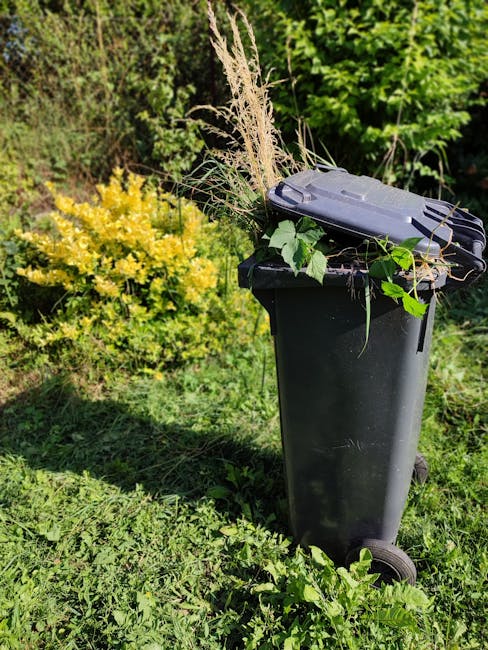
Sutton Council green waste rules for St Helier gardeners: a practical guide for tidy, compliant garden care
If you garden in St Helier, green waste can pile up faster than you expect. A hedge trim turns into branches, lawn edging becomes bags of clippings, and suddenly the "simple" tidy-up needs a proper disposal plan. That is where Sutton Council green waste rules for St Helier gardeners come in.
This guide explains what the rules mean in everyday terms, how to handle common garden waste correctly, and how to avoid the mistakes that cause delays, contamination, or extra hassle. It also gives you a clear process you can follow whether you are maintaining a small back garden, clearing a neglected border, or booking regular help through garden maintenance or garden clearance. Let's face it, nobody enjoys dragging damp sacks around on a grey Thursday evening. Better to get it right first time.
In practice, the rules are less about gardening style and more about sorting the right material into the right route: council green waste services where available, home composting, reuse, or responsible removal. When you understand the basics, the whole job becomes calmer, cleaner, and a lot less frustrating.
Expert summary: treat green waste as a resource, not just rubbish. Keep plant-based waste clean, separate it from non-organic material, and choose the disposal method that matches the amount and type of waste you have. That simple habit avoids most problems.
Table of Contents
- Why Sutton Council green waste rules for St Helier gardeners matters
- How Sutton Council green waste rules for St Helier gardeners works
- Key benefits and practical advantages
- Who this is for and when it makes sense
- Step-by-step guidance
- Expert tips for better results
- Common mistakes to avoid
- Tools, resources and recommendations
- Law, compliance, standards, or best practice
- Options, methods, or comparison table
- Case study or real-world example
- Practical checklist
- Conclusion
- Frequently asked questions
Why Sutton Council green waste rules for St Helier gardeners Matters
Green waste looks harmless, but it creates real headaches when it is mixed up or left unmanaged. A few grass cuttings on their own are easy enough. Add hedge trimmings, weeds, soil, and a half-rotted plant pot sneaking in from the shed, and the whole load becomes harder to deal with. Council collection systems and professional garden waste handlers usually expect organic waste to be clean and properly sorted.
For St Helier gardeners, this matters for three reasons. First, the area is busy and densely lived in, so space is limited. Second, many garden jobs happen on tight turnaround, especially after wind, rain, or a growth spurt in late spring and early summer. Third, if you are paying for a service, you want the waste removed efficiently without awkward delays or avoidable extra charges. Simple enough, really.
There is also the neighbour factor. Overflowing bags, muddy paths, and bins left out too long can make a tidy garden job feel messy at street level. Good waste handling keeps the whole job looking professional. That matters whether you are a homeowner doing your own beds or a local gardener working with clients across St Helier.
One more thing: understanding the rules helps you decide when a standard garden tidy is enough and when you need something broader, such as tree work, a hedge reduction, or a full clearance. A lot of "green waste" jobs are really mixed jobs in disguise.
How Sutton Council green waste rules for St Helier gardeners Works
At a practical level, the system works around separation and suitability. Garden waste should stay as garden waste: grass, leaves, prunings, weeds, and similar plant material. If you put in general rubbish, plastic ties, rubble, food scraps, or broken garden furniture, you are no longer dealing with clean green waste. That is where problems start.
In most real garden jobs, the process follows a simple pattern:
- Sort the waste at the point of collection.
- Keep organic material separate from non-organic material.
- Use the correct bin, bag, collection method, or removal route.
- Make sure branches, hedge trimmings, and soft waste are prepared in a way that can be handled safely.
- Check whether bulky, woody, or mixed material needs a different service.
That sounds straightforward, and usually it is. The catch is volume. A small bag of lawn clippings is easy. A morning spent trimming leylandii, lifting ivy, and clearing a patchy border is another matter altogether. If you are dealing with a larger or more awkward load, professional help is often more efficient, especially if the waste is produced during broader work like hedge trimming, tree surgery, or tree lopping and removal.
For St Helier gardens, the most common green waste categories are:
- grass cuttings
- leaves and seasonal debris
- small branches and twigs
- hedge clippings
- weeds and dead plants
- flower beds cleared for replanting
And the most common things that should not be mixed in are:
- plastic pots and labels
- soil and hardcore in bulk
- treated timber
- food waste
- general household rubbish
- fencing offcuts, unless the disposal method accepts them separately
That distinction is small on paper but huge in practice. It is the difference between a smooth collection and a "we can't take this" conversation. Nobody wants that at 8 a.m., standing by a pile of damp cuttings with a cup of tea gone cold.
Key Benefits and Practical Advantages
Getting green waste right is not just about compliance. It makes gardening easier, cleaner, and more cost-effective over time.
- Faster clear-ups: when waste is sorted properly, it is easier to bag, move, and collect.
- Less contamination: clean green waste is more likely to be accepted without issue.
- Better site presentation: a tidy disposal process keeps pathways, patios, and driveways clear.
- Lower stress: you spend less time guessing what goes where.
- More sustainable outcomes: organic waste can often be composted or recycled through the right channels.
There is a quieter benefit too: you start to plan gardens differently. Once you know how much waste a hedge cut produces, or how quickly a lawn mow adds up, you naturally become more efficient. You trim with disposal in mind. That sounds tiny, but it saves time every month.
For people who use ongoing services such as lawn mowing, lawn care, or regular gardening services, the main advantage is consistency. The waste routine becomes predictable, which keeps the garden looking better between visits. A small thing, yes. But it adds up.
Who This Is For and When It Makes Sense
This guidance is useful for quite a broad group. If you live in St Helier and manage even a modest outdoor space, it probably applies to you.
Homeowners with routine garden waste
If you mow the lawn, tidy beds, or prune shrubs each month, you need a simple system. Even a small garden can produce more waste than the weekly bin can comfortably handle.
Landlords and property managers
For managed homes, green waste handling matters because it affects presentation and tenant experience. Overgrown gardens can look neglected quickly, and waste left behind after work is usually what people notice first.
Busy families and part-time gardeners
If you garden in bursts rather than in a steady routine, waste builds up fast. One weekend you are cutting back a border, the next you are wondering where six bags of leaves came from. It happens.
People preparing a property for sale or rent
A neat outdoor space helps a home feel cared for. This is where services like landscaping or landscape gardening can make a real difference, because the design and the waste plan are handled together.
Anyone dealing with heavy seasonal growth
Spring and early autumn can be generous, if that is the word, in terms of waste. Fast growth means more clipping, more bagging, more trips, and more chances to get the disposal method wrong.
So when does it make sense to seek help? Usually when the pile is bigger than your bin space, when you are dealing with mixed material, or when the waste is part of a larger job like a full border reset, hedge reshape, or post-storm tidy-up.
Step-by-Step Guidance
If you want a practical route through the process, use this approach. It keeps things clear and avoids the common muddle of mixing too much into one load.
- Identify the waste type. Is it grass, leaves, twigs, hedge material, or something mixed?
- Separate organic from non-organic material. Pull out plastic ties, plant labels, broken pots, stones, and general rubbish.
- Decide whether the waste is light, bulky, or woody. Light waste is usually easier to bag. Woody waste may need chopping down or a separate handling method.
- Choose the disposal route. That might be council collection, home composting, or professional removal.
- Package it safely. Use bags or containers that can be lifted without splitting. Damp waste gets heavy fast.
- Keep access clear. If you are leaving waste for collection, make sure gates, paths, and entrances are not blocked.
- Confirm what the service accepts. This is the step people skip. And then regret it. Mildly, but still.
A useful real-world rule is this: if you would hesitate before putting it in a green waste container, treat it as separate until you are sure. That one pause can save a failed collection.
If your work includes hard landscaping or mixed outdoor improvements, think ahead. Jobs involving patios, decking edges, fencing, or clearance after renovation can produce more than just garden waste. In those situations, the garden waste should be handled separately from materials linked to patio cleaning, decking services, or fencing.
Expert Tips for Better Results
Here is the bit that tends to save the most time in actual gardens, not just on a checklist.
1. Bag before the pile gets too wet. Fresh grass and damp leaves become much heavier after rain, and St Helier weather can change in a blink. If you have ever lifted a "light" bag that felt like wet cement, you will know exactly what I mean.
2. Cut long material down first. Hedge trimmings and branchy offcuts take up less room when shortened. This is especially helpful after pruning work or seasonal reshaping.
3. Keep a separate container for non-green bits. One crate for pots, one for twine, one for actual waste. It sounds fussy. It works.
4. Tidy as you go. If you are doing a long job, make small waste piles rather than one monster heap. That way you can see what you are dealing with, which is oddly reassuring.
5. Think in batches. A lawn cut, a hedge trim, and a clearance job all create different waste streams. Handling them in batches gives better control and usually less lifting.
If you are arranging repeated visits, ask for a waste plan as part of the service. Services such as garden maintenance or recycling and sustainability information can help you build a more reliable routine. Not glamorous, I know. But surprisingly useful.
Common Mistakes to Avoid
Most garden waste problems come from a few predictable mistakes. The good news is that they are easy to avoid once you spot them.
- Mixing waste streams: green waste, rubbish, and building debris should not be thrown together.
- Overfilling bags: if a bag is too heavy to lift safely, it is too full.
- Leaving roots and soil lumps in with clippings: even if it feels "garden related", it may not be treated the same way.
- Forgetting wet weight: rain changes everything. A dry heap on Monday can be a soggy problem by Wednesday.
- Assuming all branches are acceptable in one go: thicker woody material may need separate handling.
- Ignoring access: narrow paths, locked gates, or parked cars can make collection harder than the actual gardening.
One particularly common issue is hidden contamination. A few bits of plastic or old canes can be buried in the waste and not noticed until collection. That is why a final hand-check matters. It is not glamorous work, admittedly, but it is the difference between tidy and tidy-ish.
Tools, Resources and Recommendations
You do not need a shed full of specialist gear to manage garden waste properly, but a few basic tools make a massive difference.
- Strong garden waste sacks: choose bags that stand up to damp cuttings and can be carried safely.
- Secateurs and loppers: useful for reducing bulky prunings before bagging.
- Wheelbarrow or trug: helpful for moving waste without endless armfuls.
- Tarpaulin: makes it easier to gather and drag waste from one area without spreading debris everywhere.
- Rake and leaf grabbers: especially useful in autumn when everything seems to shed at once.
- Compost bin or heap: ideal for suitable soft waste if you have the space.
For larger jobs, choose a service that understands both waste handling and garden condition. A team doing lawn care or hedge trimming should be able to keep the site neat while managing the cuttings properly. That simple expectation saves a lot of back-and-forth.
Also, if you are comparing services, check the practical details rather than just the headline. Ask what happens to the waste, whether collection is included, and how mixed loads are handled. The answer tells you quite a lot.
Law, Compliance, Standards, or Best Practice
For St Helier gardeners, the key compliance point is straightforward: waste should be disposed of responsibly and in line with the relevant local collection or transfer rules. The exact arrangements can vary depending on the type of waste, the size of the job, and whether you are using council services or a private contractor.
Best practice in the UK gardening sector is to keep garden waste clean and traceable. In plain English, that means:
- separate plant material from general rubbish
- avoid contamination with plastics, rubble, treated wood, or household waste
- use safe lifting and handling methods
- store waste so it does not become a nuisance or safety hazard
- choose a disposal method that suits the waste type, not just the cheapest one
Where safety is involved, sensible handling matters as much as disposal. Wet sacks, thorny trimmings, awkward branches, and slippery paths can all create problems. That is one reason a proper process is part of good professional practice, not just admin. If a contractor is dealing with heavy loads, the standards around safe handling and site tidiness become even more important. For a broader look at how a responsible service should operate, see health and safety policy and insurance and safety.
It is also worth remembering that sustainability is not just a nice extra. Many gardeners now want greener disposal habits, and rightly so. If the waste can be composted, reused, or recycled through the right route, that is usually the cleaner outcome.
Options, Methods, or Comparison Table
There is more than one way to handle green waste in St Helier. The right option depends on volume, material type, time, and how often you garden.
| Method | Best for | Pros | Limitations |
|---|---|---|---|
| Council green waste collection | Regular household garden waste | Convenient, familiar, usually suited to routine maintenance | May have rules on what can be included and how it must be presented |
| Home composting | Soft plant waste, leaves, grass in moderation | Low-cost, sustainable, reduces volume | Not suitable for all waste types; needs space and patience |
| Professional garden clearance | Large, mixed, or one-off jobs | Fast, practical, less lifting for you | Usually better for bigger clearances than small weekly loads |
| On-site sorting and staged removal | Complex projects | Helps separate waste streams properly | Needs planning and a bit more time on site |
If you are doing a simple weekly mow, council collection or composting may be enough. If you are cutting back an overgrown corner, removing hedge trimmings, and dealing with old dead growth, a larger clearance route is usually easier. There is no prize for making it harder than it needs to be.
Case Study or Real-World Example
A fairly typical St Helier scenario goes like this. A small front garden has become a bit unruly after a few weeks of rain and a busy month. The owner cuts the grass, trims a bay hedge, and clears a border that has been hiding behind the privet. At first glance, it looks like "a couple of bags". By the end, it is grass, hedge clippings, a handful of old canes, some weeds with soil still attached, and a bag of mixed debris from under the shrubs.
The first mistake would be tipping everything into one pile and hoping it works out later. The better approach is to split it immediately: soft green waste, woody trimmings, and non-green bits. The soft waste can be bagged for the usual route, the hedge cuttings can be shortened and bundled, and the non-organic bits are taken out of the flow altogether.
That simple split saves time. It also makes the site look better as you work, which matters more than people admit. Nobody wants a tidy lawn next to a heap of tangled twine and broken plastic pots. A little order goes a long way.
In larger jobs, especially where the garden has been left for months, this kind of sorting can be the difference between a one-visit clearance and a job that drags on. Teams doing garden clearance or ongoing garden maintenance often build the waste plan into the job from the start, which is usually the saner way to do it.
Practical Checklist
Use this before you leave waste out for collection or book a removal job.
- Have I separated plant waste from general rubbish?
- Have I removed pots, plastic ties, labels, and other non-organic bits?
- Is the waste bagged or bundled safely?
- Are any bags too heavy to lift without strain?
- Have I cut bulky branches down to a manageable size?
- Have I kept paths, gates, and driveways clear?
- Does my waste match the service I am using?
- Would a composting route suit any of the softer waste?
- Have I checked whether the load is routine or more like a clearance job?
- Is the final pile neat enough to avoid nuisance or spillage?
Quick tip: if in doubt, separate the waste first and decide second. That one habit makes the rest of the process much easier.
Get a free quote today and see how much you can save.
Conclusion
For St Helier gardeners, Sutton Council green waste rules are really about keeping things simple, clean, and workable. Once you know what counts as green waste, what does not, and how to prepare it properly, the whole job becomes easier to manage. You waste less time, avoid avoidable mistakes, and keep your garden looking cared for rather than half-finished.
If your garden work is regular, build a routine. If it is seasonal, plan ahead. And if the job is bigger than you expected, there is no shame in bringing in help. Honestly, that is often the smartest move. A well-handled garden is calmer to live with, and the waste side of it matters more than people think.
Done properly, it is one of those behind-the-scenes jobs that quietly makes everything else look better. A small thing. But a good one.
Frequently Asked Questions
What counts as green waste in a St Helier garden?
Green waste usually means plant-based material such as grass cuttings, leaves, hedge trimmings, weeds, dead flowers, and small prunings. It should be kept separate from household rubbish, plastics, rubble, and treated timber.
Can I put soil in with green waste?
Usually not in bulk. Small amounts of soil attached to roots may be unavoidable, but large quantities are often handled differently. If you are doing a border dig-out, it is best to treat that as a separate waste stream.
Are branches allowed in green waste collections?
Small branches and twigs are often fine if they are cut down to a manageable size and presented properly. Thicker woody material may need a different disposal method, so it is worth checking before you load everything up.
What should I do with plastic plant pots and labels?
Those are not green waste. Put them aside for separate recycling or disposal, depending on what is accepted locally. Leaving them in the green waste is one of the most common mistakes gardeners make.
Is home composting a good option for St Helier gardeners?
Yes, if you have the space and the right waste. Soft material such as leaves and grass can work well, but woody stems, diseased plants, and mixed waste may not be suitable. Composting is helpful, but it is not a catch-all solution.
How do I know whether I need garden clearance or simple waste collection?
If the job is a routine tidy-up, regular waste handling may be enough. If the garden is overgrown, the waste is mixed, or you are removing large volumes at once, garden clearance is usually the better fit.
Can green waste be mixed with hedge trimmings?
Yes, hedge trimmings are usually part of green waste if they are clean and plant-based. The issue is not the hedge material itself; it is what gets mixed into it.
Why is wet green waste such a problem?
Wet waste is heavier, messier, and harder to handle safely. It can also split bags and make collections more difficult. If possible, bag waste before it becomes waterlogged.
What is the best way to manage waste after hedge trimming?
Cut the material down, separate any non-plant debris, and bundle or bag it according to the collection method you are using. If the hedge job is substantial, combining hedge trimming with a planned waste removal route usually saves time.
Do I need to worry about safety when handling garden waste?
Yes. Heavy bags, thorny cuttings, slippery paths, and awkward branches can all cause problems. Safe lifting, sensible packing, and clear access are basic but important parts of the job.
Can a gardener take away the waste as part of the service?
Often, yes. Many gardeners include waste handling or can arrange it separately. It is sensible to confirm this before the work starts, so there are no surprises at the end of the day.
What if my garden produces more waste than I expected?
That happens all the time. A job that looks small from the patio can turn into several bags once it is underway. If the waste volume is larger than expected, a staged clear-up or professional removal is usually the least stressful option.
How can I keep my garden waste routine manageable year-round?
Work in smaller bursts, compost what you can, and keep different waste types separate from the start. A simple maintenance rhythm, supported by services such as gardening services or lawn care, makes the whole thing feel much less like a battle.